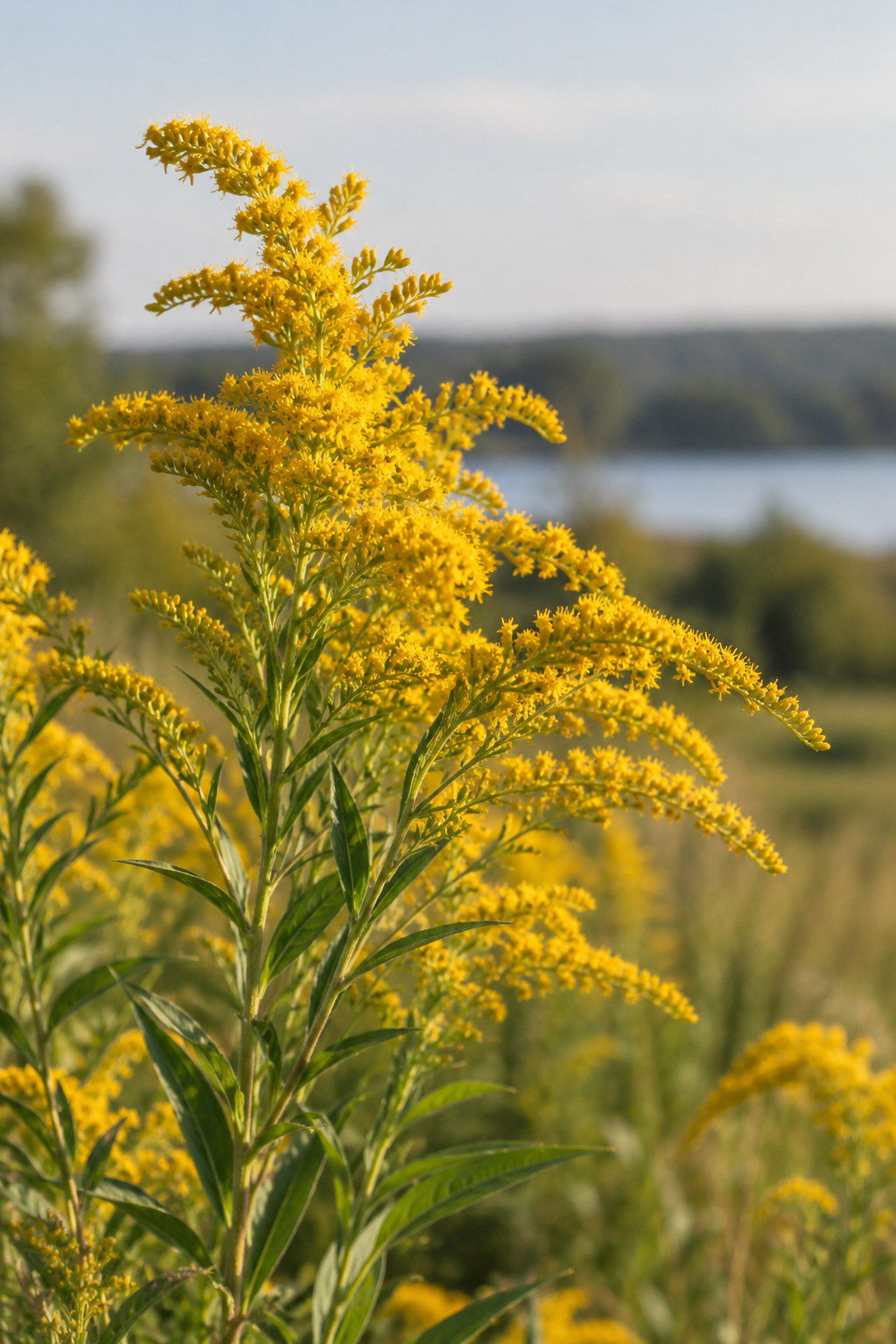
Goldenrod, and the End of Summer
There's a week in September when you stop noticing summer is still technically going, and start noticing it's ending instead. For me it's always goldenrod. It doesn't creep in — one day the ditches and field edges are still green, and a few days later they're gold, all at once, like the season finally admitted something to itself.
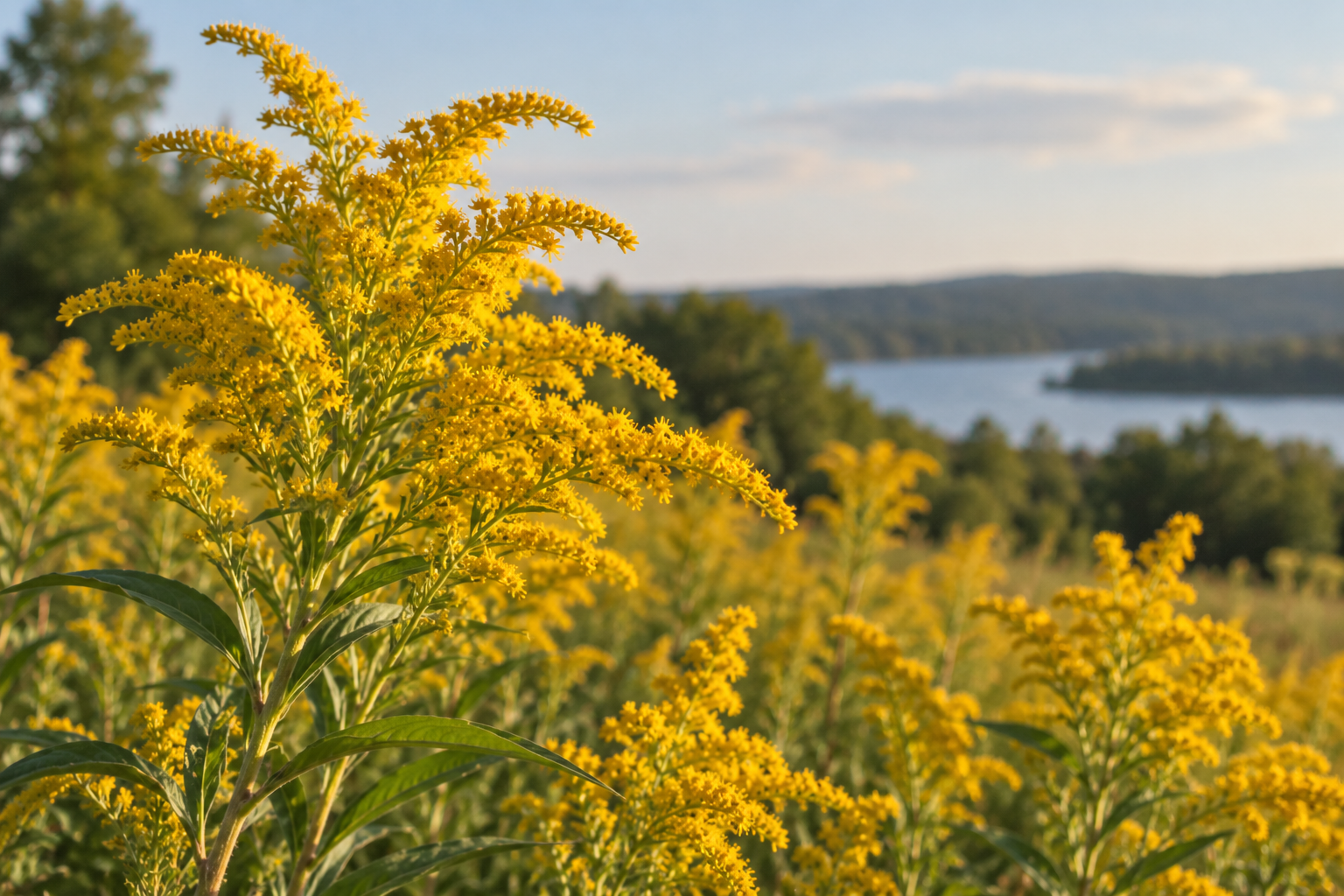
It's easy to walk past it without a second thought. It grows where nothing else was invited — roadsides, the strip of weeds behind a parking lot — the kind of plant that shows up uninvited and stays exactly as long as it wants. But it's doing something quietly precise while it's there. It's one of the last real blooms before frost, which makes it one of the last real meals, too: the bees working these flowers are stocking up for a winter that hasn't arrived yet but is clearly, visibly, on its way. There's something almost tender in that: working its hardest exactly when everything else is giving up, so the bees have enough to get through what's coming.
By October it'll be brown and forgotten, the way most late-summer things are. But for these few weeks it does the opposite of fading. It's the brightest thing in the field, right when everything around it has already started letting go.
Maybe that's the part worth noticing. An ending doesn't always look like less. Sometimes it looks like this — loud, yellow, briefly impossible to miss — right before it isn't there anymore.