What Is a Botanical Print? A Simple Guide for Beginners
If you’ve ever seen a delicate drawing of a flower or leaf and wondered, “Is this a painting? A print? A poster?” — you’re not alone.
Botanical prints are everywhere in interiors right now, but the language around art can feel confusing. This guide walks you through what a botanical print actually is, how it’s different from a poster, and what to look for when you’re choosing one for your home.
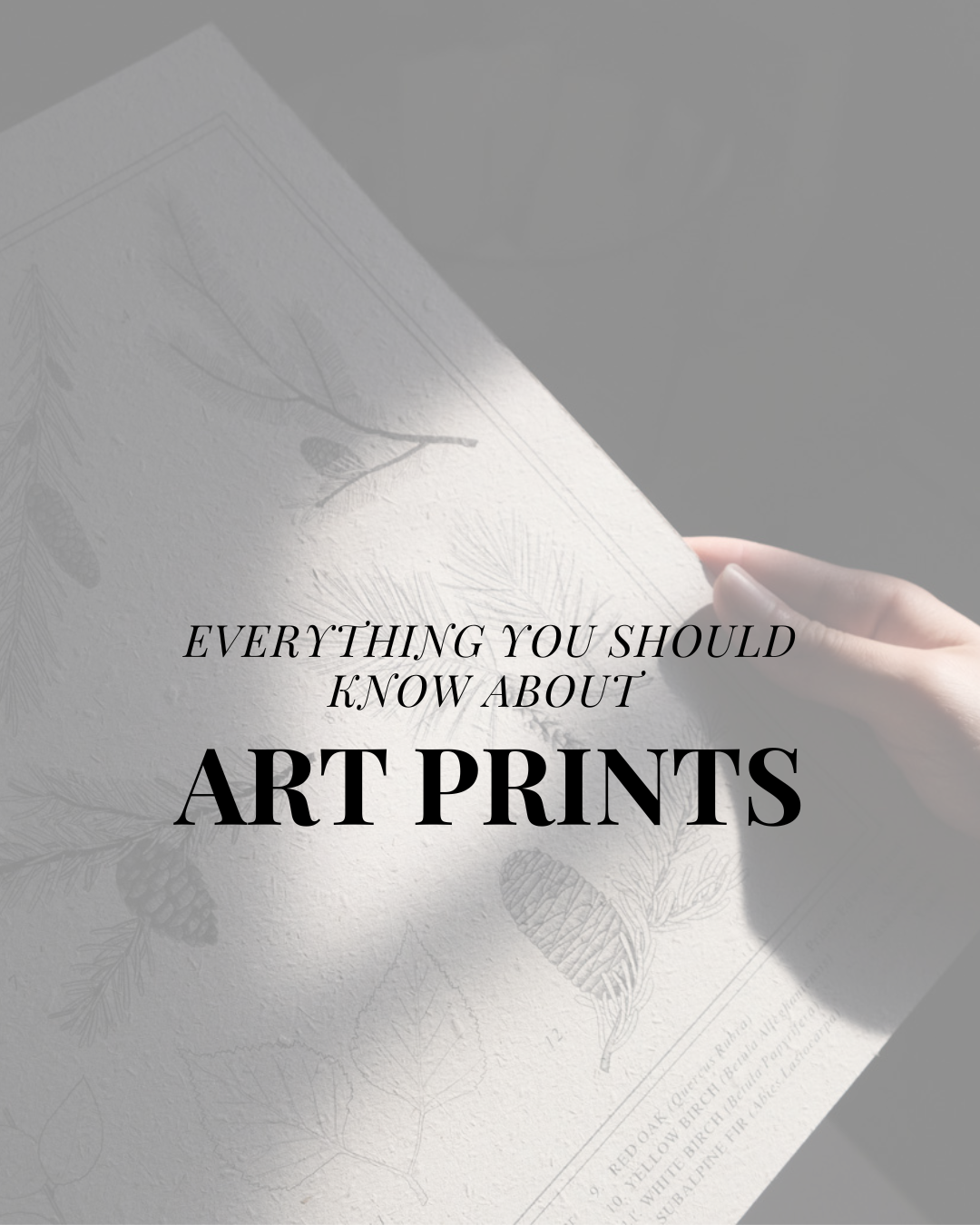
Botanical Print vs Original vs Poster
It helps to know the difference between a few common terms:
Original Artwork
One-of-a-kind piece, created directly on paper or canvas
Usually the most expensive option
Often kept by collectors or in galleries
Art Print
High-quality reproduction of the original artwork
Printed on good paper, with professional inks
Designed to last for many years when cared for properly
Poster
Often mass-produced in very large quantities
Usually printed on thin paper with cheaper inks
Great for casual decor, but not meant to be archival
A botanical art print sits between the world of fine art and everyday decor: accessible in price, but still thoughtful in quality and detail.
How Are Botanical Prints Made?
Every artist has their own process, but generally it looks something like this:
Create the original artwork
The artist draws or paints the plant: leaves, flowers, stems, details.Digitize the art
The piece is scanned or photographed in high resolution so the fine details are captured.Edit and prepare for print
Colours are adjusted so they match the original artwork as closely as possible. The file is set up to fit specific print sizes.Print on archival paper
Professional printers and inks are used, often on thick, textured or smooth fine art paper designed for longevity.Trim, sign, and package
Prints are cut to size, sometimes signed or numbered, and then packaged to be shipped or sold.
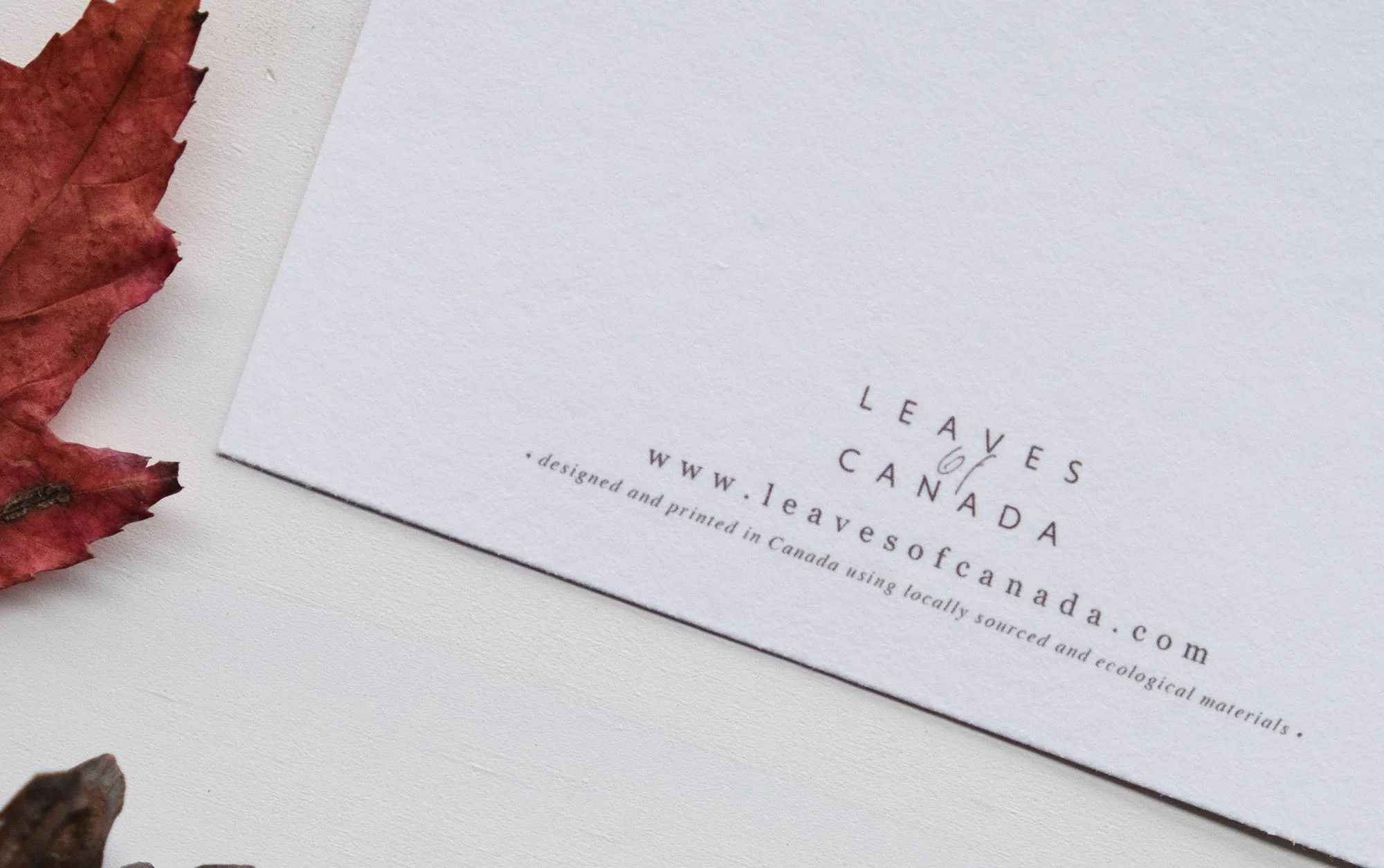
In my own work at Leaves Of Canada, I focus on plants found in Canadian landscapes and print them on archival, museum-quality paper so they can live on your walls for many years.

What Makes a Quality Botanical Print?
If you’re shopping for botanical wall art and want something that will last, here are a few things to look for:
1. Paper Quality
Look for thick, fine art paper rather than thin, shiny stock
Phrases like archival, acid-free, or museum-quality are good signs
2. Ink & Printing
Professional giclée printing or fine art printing is often used for higher-end prints
This gives rich colours and better longevity compared to standard office or home printing
3. Colour & Detail
Edges should look crisp, not blurry
Colours should feel intentional, not washed out or overly neon
4. Artist Credit
The artist or brand should be clearly named
Often there is a short story or description behind the artwork or plant
If in doubt, check the product description — it should tell you the type of paper, printing method, and a bit about the artwork.
Where Can You Use Botanical Prints at Home?
Botanical prints are very flexible. They work well in:
Bedrooms – soft florals or leaves for a calming atmosphere
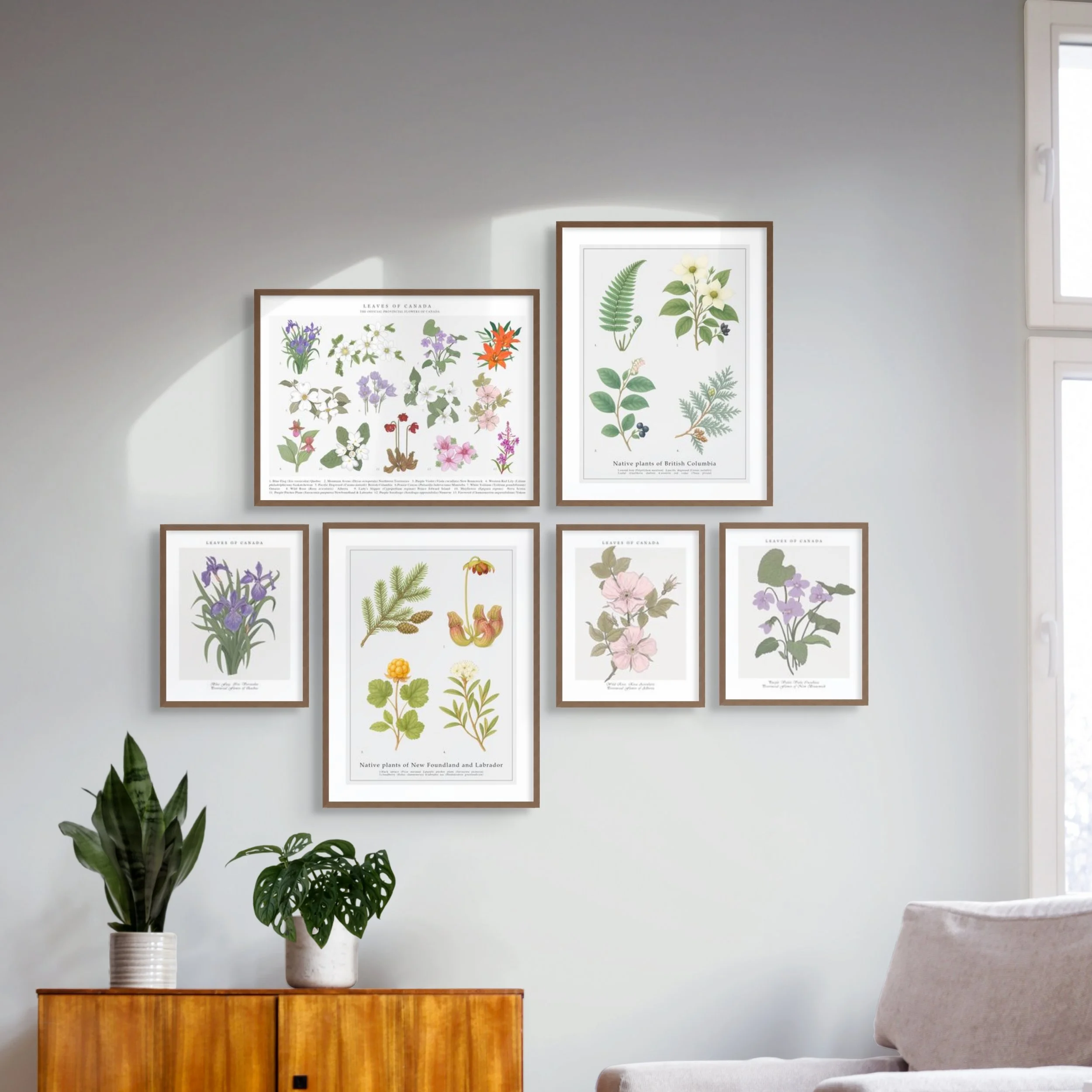
Living rooms – a statement piece above the sofa or a small gallery wall
Kitchens & dining areas – herbs, fruits, or wildflowers for a cozy feel
Home offices – subtle greenery to make a work corner feel gentler
Hallways & entries – a single print to welcome you (and your guests) in
You can start with one piece you love and slowly build around it, like growing a little paper garden on your walls.
Final Thoughts: A Simple Way to Bring Nature In
At its heart, a botanical print is a simple idea: art that celebrates plants.
Whether it’s a delicate drawing of a wildflower or a bold study of leaves, these pieces bring a quiet sense of nature into your daily life. You don’t need to be an art expert to choose one. Just notice which plants and colours make you exhale a little deeper and feel more at home.
If you’d like to explore nature-inspired art prints, you can browse my collection of botanical prints here in this link